
Car Insurance: 10 Smart Tips to Save Big on Car Insurance in 2026

Rising car insurance costs are hitting everyone's wallet hard in 2026. This guide is perfect for drivers who want to cut their premiums without sacrificing essential coverage.
Smart car insurance shopping isn't just about finding the cheapest rate – it's about getting the best value for your specific needs. You'll discover proven strategies that can save you hundreds of dollars annually while keeping you fully protected on the road.
We'll show you how to shop around and compare quotes effectively to find hidden savings across multiple insurers. You'll also learn how to maximize discounts and bundle opportunities that many drivers overlook. Plus, we'll cover how to adjust your coverage levels and deductibles strategically, so you're not overpaying for protection you don't need.
These ten actionable tips will help you navigate the complex world of auto insurance and keep more money in your pocket this year.
Shop Around and Compare Quotes from Multiple Insurers
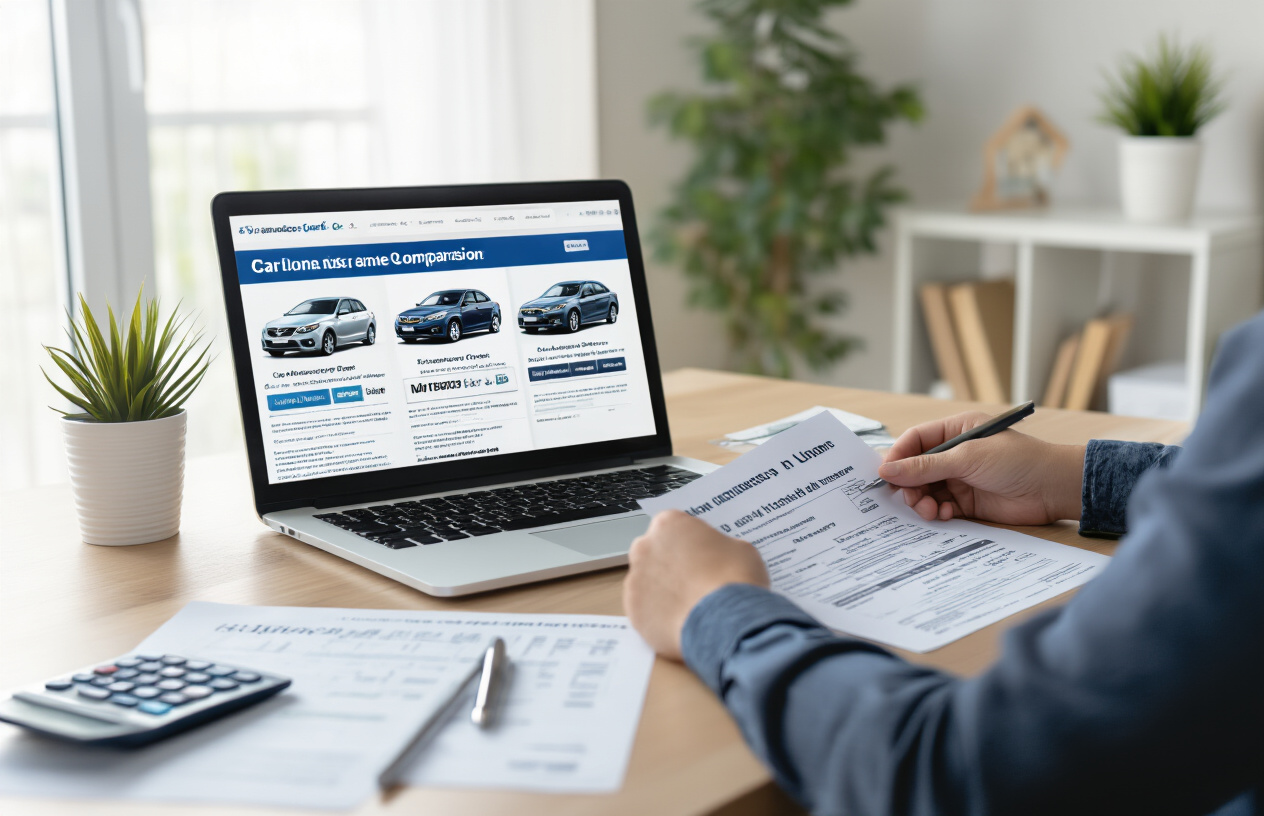
Get quotes from at least 5 different insurance companies
Shopping for car insurance means casting a wide net. Five quotes might seem like a lot, but each company uses different formulas to calculate your premium. What makes you high-risk to one insurer could actually work in your favor with another. State Farm might quote you $150 monthly while Geico comes in at $95 for identical coverage.
The magic number five gives you enough data points to spot the real outliers and find the sweet spot. Some drivers get lazy after two or three quotes, but that's leaving money on the table. The fifth quote often reveals the biggest surprise – either a company that's way more expensive than expected or one that offers an unexpectedly great deal.
Use online comparison tools to streamline the process
Online comparison platforms like Compare.com, The Zebra, and Insurify do the heavy lifting for you. Instead of visiting five separate websites and filling out the same information repeatedly, these tools collect your details once and shop them around to multiple insurers simultaneously.
The time savings alone make these tools worthwhile, but they also prevent the fatigue that leads to incomplete comparisons. When you're manually getting quotes, it's tempting to accept the third decent offer just to be done with the process. Comparison tools deliver all your options at once, making it easier to spot the best deals.
Just remember that these platforms sometimes don't include every available insurer, so they work best as a starting point rather than your only research method.
Consider both national carriers and local insurance companies
Big national names like Progressive, Allstate, and USAA get most of the advertising attention, but regional and local insurers often provide better value. These smaller companies have lower overhead costs and can pass those savings directly to customers.
Local insurers also tend to understand regional driving conditions better. A company based in your state knows which neighborhoods have higher theft rates or which weather patterns create more claims. This local knowledge can translate into more accurate pricing that works in your favor.
| Insurer Type | Pros | Cons |
|---|---|---|
| National Carriers | Wide coverage areas, extensive resources, digital tools | Higher overhead costs, less personalized service |
| Regional/Local | Lower rates, personalized service, local expertise | Limited coverage areas, fewer digital features |
Don't overlook credit unions and professional associations either. Many offer member-exclusive insurance programs through partnerships with major carriers, combining national resources with member discounts.
Review coverage options alongside pricing
The cheapest quote isn't automatically the best deal if it leaves you underinsured. Two policies might have similar monthly premiums but vastly different coverage limits, deductibles, and additional benefits. Always compare apples to apples by looking at identical coverage levels across all quotes.
Pay special attention to liability limits, comprehensive and collision deductibles, and additional coverage like rental car reimbursement or roadside assistance. Some insurers include perks that others charge extra for, which can flip the value equation completely.
Create a simple spreadsheet listing each company's premium alongside their coverage details. This visual comparison makes it easier to spot which insurer offers the best overall package rather than just the lowest price tag.
Maximize Your Discounts and Bundle Opportunities

Take Advantage of Multi-Policy Discounts by Bundling Auto and Home Insurance
Bundling your car insurance with other policies represents one of the quickest paths to substantial savings. Most insurance companies offer multi-policy discounts ranging from 10% to 25% when you combine your auto coverage with homeowners, renters, or even Life Insurance policies under one roof.
The math works in your favor because insurers value customer loyalty and the reduced administrative costs of managing multiple policies for one customer. When you bundle, you're essentially becoming a more valuable client, which translates directly into premium reductions across all your policies.
Beyond the immediate savings, bundling creates several practical advantages. You'll deal with just one insurance company for claims, payments, and policy questions, streamlining your entire insurance experience. Many bundled customers also receive priority customer service and enhanced coverage options that aren't available to single-policy holders.
Before committing to a bundle, compare the total cost against purchasing separate policies from different companies. Sometimes, the best individual rates from various insurers might beat a bundled package. However, don't forget to factor in the convenience and potential claim-handling benefits when making your decision.
Claim Safe Driver Discounts for Clean Driving Records
Your driving history serves as your insurance report card, and companies reward responsible drivers with significant premium reductions. Safe driver discounts typically range from 10% to 30%, making them among the most valuable discounts available.
Most insurers define a clean driving record as three to five years without accidents, moving violations, or claims. The longer your streak of incident-free driving, the deeper your discounts become. Some companies offer graduated safe driver programs where your discount increases annually for each year you maintain a clean record.
Different insurers have varying definitions of what qualifies as a "safe driver," so shop around if you have minor infractions. One company might penalize a speeding ticket for three years, while another might only consider it for two years or forgive it entirely after a certain period.
Many companies now offer accident forgiveness programs as part of their safe driver benefits. These programs protect your rates from increasing after your first at-fault accident, provided you've maintained a clean record for a specified period beforehand.
Secure Good Student Discounts for Young Drivers with High Grades
Young drivers face the highest insurance premiums, but academic achievement can significantly offset these costs. Good student discounts typically provide 10% to 15% savings for drivers under 25 who maintain a B average or better.
Most insurers require a GPA of 3.0 or higher, though some accept students on the honor roll or dean's list regardless of their exact GPA. Full-time enrollment at an accredited high school, college, or university is usually required, and you'll need to provide transcripts or report cards as proof.
The discount philosophy is simple: students who demonstrate responsibility in academics often exhibit similar responsibility behind the wheel. Insurance data supports this correlation, showing that good students file fewer claims than their peers.
Some companies extend good student discounts beyond traditional academic performance. Programs recognizing completion of defensive driving courses, participation in driver's education programs, or even maintaining good attendance records can unlock additional savings. Distance from home also matters – students attending school more than 100 miles from home often qualify for away-at-school discounts since they're driving less frequently.
Adjust Your Coverage Levels and Deductibles Strategically

Raise your deductible to lower monthly premiums
One of the fastest ways to cut your car insurance costs is by increasing your deductible – the amount you pay out of pocket before your insurance kicks in. Most insurers offer deductible options ranging from $250 to $2,500, and bumping yours up can deliver significant savings on your monthly premiums.
Here's how the math works: increasing your deductible from $500 to $1,000 typically reduces your premium by 10-15%. Jump to a $2,500 deductible, and you might see savings of 20-30% or more. The key is finding the sweet spot where you can comfortably afford the higher out-of-pocket cost if an accident happens.
Before making this move, check your emergency fund. If you can't cover a $1,000 deductible without financial strain, stick with a lower amount. The last thing you want is to be caught off guard when you need to file a claim.
Drop unnecessary coverage on older vehicles
Your 15-year-old sedan might not need the same coverage as a brand-new luxury car. Comprehensive and collision coverage become less cost-effective as vehicles age and depreciate. When your car's value drops below $3,000-$4,000, you're often better off dropping these coverages entirely.
Run the numbers annually: if your comprehensive and collision premiums combined exceed 10% of your car's current value, consider dropping them. You can find your vehicle's worth using resources like Kelley Blue Book or Edmunds. Keep in mind that without these coverages, you'll pay for repairs or replacement out of pocket if your car is damaged or stolen.
Full coverage still makes sense for newer vehicles or those with outstanding loans, where lenders typically require comprehensive and collision coverage.
Optimize liability limits based on your assets and risk tolerance
Liability coverage protects your assets if you cause an accident, so your limits should reflect what you have to lose. Many people stick with their state's minimum requirements, but this often leaves them dangerously underinsured.
Consider this approach: your liability limits should roughly match your net worth. If you have $200,000 in assets, carrying $100,000/$300,000 in liability coverage makes sense. Don't have significant assets? You might be fine with lower limits, but remember that liability coverage is relatively inexpensive compared to the protection it provides.
Umbrella policies can provide additional liability protection at reasonable rates, typically starting around $200-$400 annually for $1 million in coverage.
Consider usage-based insurance for low-mileage drivers
If you work from home, live in a walkable city, or simply don't drive much, usage-based insurance could slash your premiums dramatically. These programs track your actual driving habits – miles driven, time of day, braking patterns, and speed – to calculate personalized rates.
Low-mileage drivers often see discounts of 15-40% through these programs. Some insurers offer pay-per-mile options where you literally pay based on how much you drive, making them perfect for occasional drivers or people with short commutes.
Popular programs include Progressive's Snapshot, State Farm's Drive Safe & Save, and Allstate's Drivewise. Most involve installing a device in your car or using a smartphone app to monitor driving behavior.
Improve Your Credit Score to Unlock Better Rates
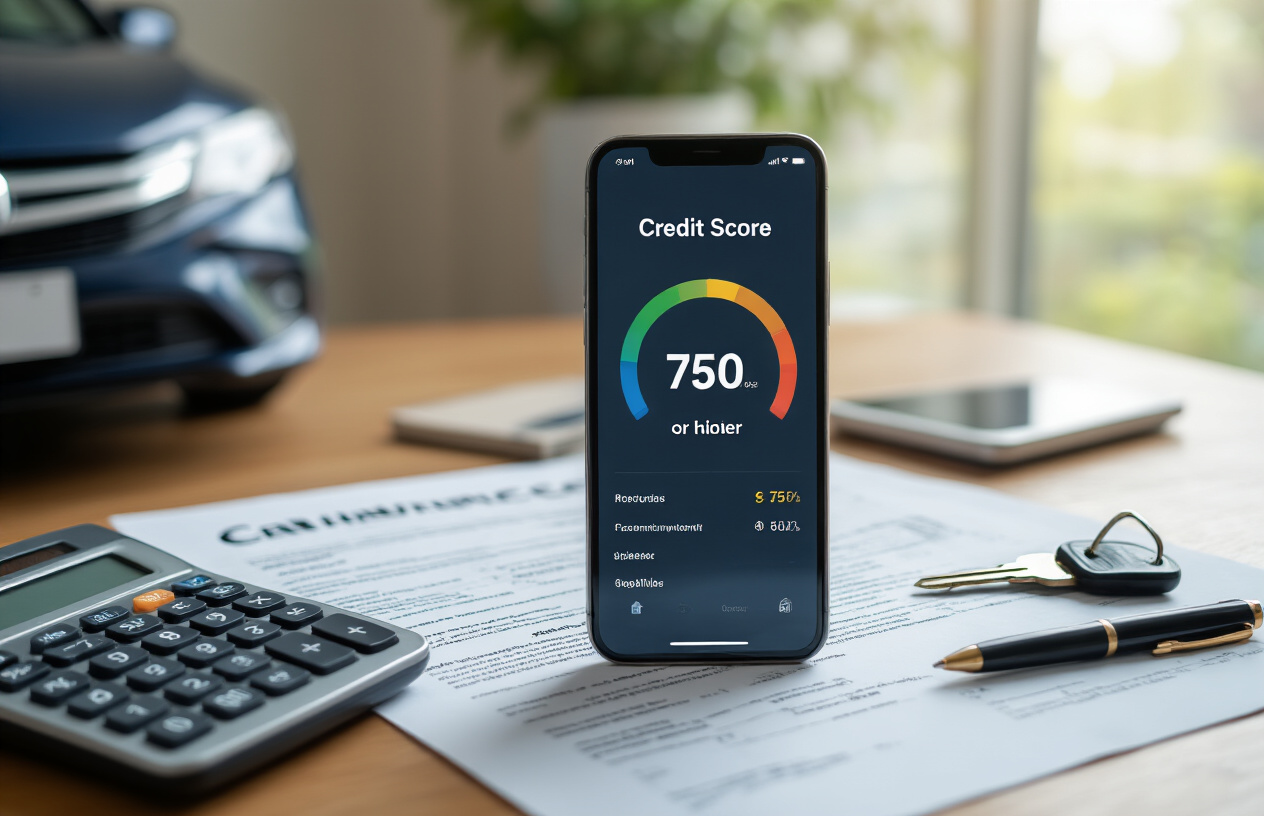
Pay bills on time to build positive payment history
Your credit score plays a massive role in determining your car insurance rates, and payment history makes up about 35% of that score. Insurance companies see late payments as a red flag – if you can't manage your bills on time, they worry you might be a higher risk on the road too.
Set up automatic payments for at least the minimum amount due on all your accounts. This simple step protects you from accidentally missing due dates, especially when life gets hectic. Even one missed payment can drop your score by 60 to 110 points, and that damage can stick around for up to seven years.
Create calendar reminders a few days before each due date as a backup plan. Some people prefer paying bills twice a month – once at the beginning and once in the middle – to keep everything manageable. Pick whatever system works best for your lifestyle, but stick to it religiously.
If you've missed payments in the past, don't panic. Start making on-time payments now and be patient. Your score will gradually improve as those positive payments add up over the months ahead.
Keep credit card balances low relative to limits
Credit utilization – how much of your available credit you're using – accounts for about 30% of your credit score. Experts recommend keeping your total utilization below 30%, but shooting for under 10% can really boost your score and help you snag better insurance rates.
If you have a $5,000 credit limit, try to keep your balance under $500. This shows insurers you're responsible with money and less likely to file claims or miss premium payments.
Pay down balances strategically by focusing on cards that are closest to their limits first. You can also ask for credit limit increases on existing cards, which instantly improves your utilization ratio without paying down debt. Just don't use that extra available credit as an excuse to spend more.
Consider making multiple payments throughout the month instead of just one. This keeps your balance lower when credit card companies report to the bureaus, which typically happens once a month.
Monitor your credit report for errors and disputes
Credit report errors are surprisingly common – studies show about 25% of reports contain mistakes that could hurt your score and increase your insurance premiums. Check your reports from all three major bureaus (Experian, Equifax, and TransUnion) at least once a year through annualcreditreport.com.
Look for obvious red flags like accounts you never opened, wrong personal information, or payments marked as late when you paid on time. Even small errors like incorrect account balances or credit limits can drag down your score.
When you spot an error, file a dispute immediately with both the credit bureau and the company that provided the incorrect information. The process usually takes 30 days, and you'll want to keep detailed records of all your communications.
Many credit monitoring services now offer free alerts when something changes on your report. These can catch identity theft or reporting errors quickly, before they have time to seriously damage your credit and drive up your insurance costs.
Take Advantage of Technology and Telematics Programs
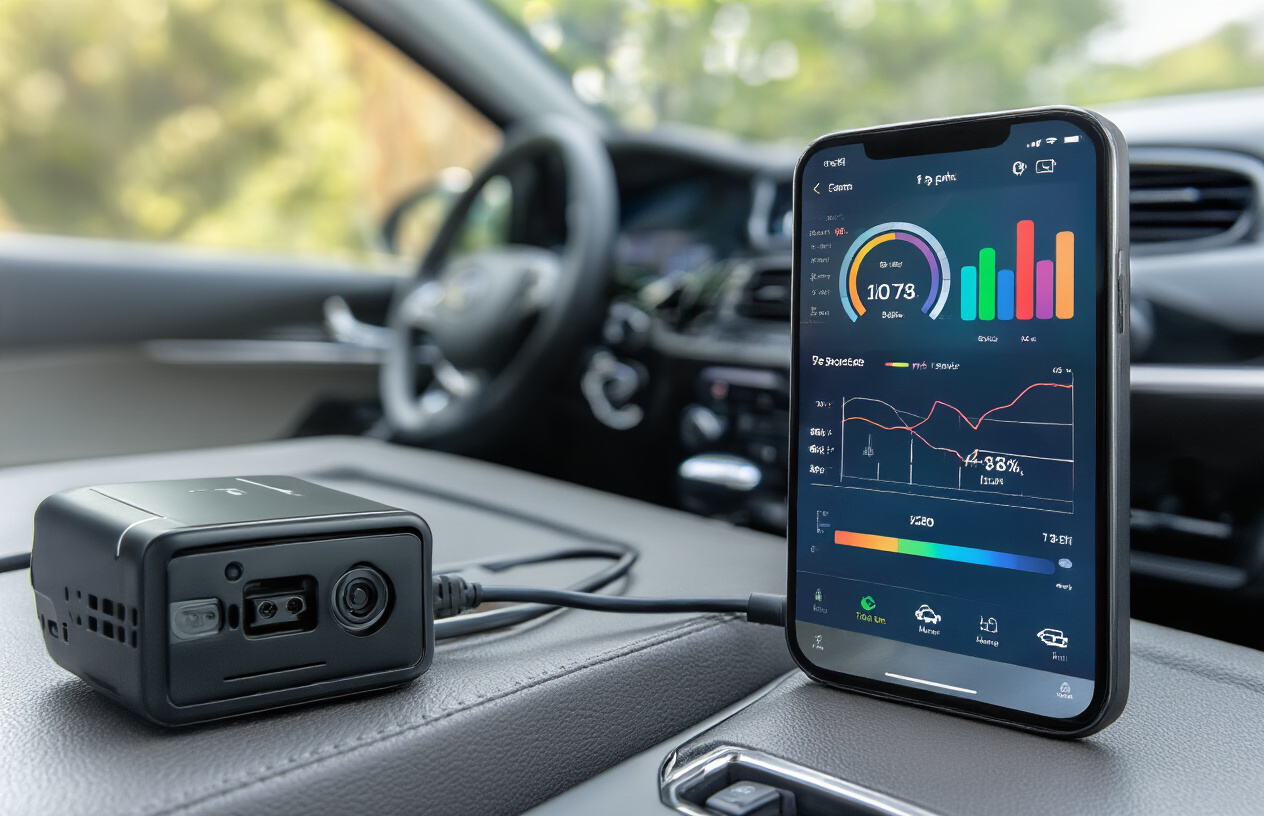
Install usage-based monitoring devices for safe driving rewards
Modern insurance companies offer telematics devices that plug directly into your car's diagnostic port or operate through smartphone apps. These small gadgets track your driving patterns, including speed, braking habits, acceleration, and the time of day you drive. Safe drivers can save anywhere from 10% to 30% on their premiums through these programs.
Popular telematics programs include Progressive's Snapshot, State Farm's Drive Safe & Save, and Allstate's Drivewise. The devices monitor factors like hard braking, rapid acceleration, and nighttime driving frequency. Drivers who consistently demonstrate safe habits receive discounts that compound over time.
The key to maximizing savings lies in adjusting your driving behavior during the monitoring period. Avoid sudden stops, maintain steady speeds, and limit late-night driving when possible. Most programs monitor your driving for 90 to 180 days before offering permanent discounts.
Use mobile apps that track and reward good driving habits
Smartphone-based monitoring apps offer the same benefits as plug-in devices but with added convenience. These apps use your phone's built-in sensors to track acceleration, braking, cornering, and phone usage while driving. Many insurers now prefer app-based monitoring because it provides more comprehensive data.
Apps like Milewise from Allstate and SmartRide from Nationwide reward drivers for safe practices while penalizing risky behaviors like speeding or phone use. The real-time feedback helps drivers improve their habits immediately rather than waiting for periodic reports.
Some apps gamify the experience by offering points, badges, or leaderboards that compare your performance with other users. This social element motivates continued safe driving beyond the initial monitoring period.
Participate in defensive driving courses offered online
Online defensive driving courses provide immediate insurance discounts while improving your skills behind the wheel. Most insurers offer 5% to 10% discounts for completing state-approved courses, with savings lasting for three years.
These courses cover topics like hazard recognition, proper following distances, and emergency braking techniques. Many states allow drivers to complete courses entirely online, making them convenient for busy schedules. Popular providers include DefensiveDriving.com, DriversEd.com, and AAA's online programs.
The courses typically take 4-8 hours to complete and cost between $15 and $50. Given the potential savings over three years, the return on investment often exceeds 500%. Some insurers even offer additional discounts for completing refresher courses every few years.
Optimize Your Vehicle Choices for Lower Insurance Costs
Research insurance costs before purchasing a new car
Before you fall in love with that shiny new ride, spend some time checking what it'll cost to insure. Different cars come with wildly different insurance premiums, and this research could save you hundreds or even thousands annually. Most insurance companies offer online quote tools where you can input various vehicle models and get estimated rates.
Call your current insurer and ask for quotes on the specific makes and models you're considering. This gives you real numbers to work with rather than guesswork. The Insurance Institute for Highway Safety (IIHS) also publishes data showing which vehicles cost the most and least to insure, broken down by category.
Some factors that insurance companies consider include the car's safety record, repair costs, theft rates, and how expensive replacement parts are. A Honda Civic will typically cost much less to insure than a BMW M3, even if they're the same model year.
Choose vehicles with high safety ratings and theft deterrent features
Cars with top safety ratings from NHTSA and IIHS often qualify for significant insurance discounts. These vehicles protect occupants better during accidents, which means lower medical costs and liability claims for insurers. Look for cars that earned five-star overall ratings or Top Safety Pick awards.
Modern safety features like automatic emergency braking, blind spot monitoring, and lane departure warnings can reduce your premiums by 5-15%. Anti-theft systems also matter – cars with factory alarms, immobilizers, and tracking systems like LoJack typically cost less to insure because they're stolen less frequently.
Popular theft targets like certain pickup trucks and luxury SUVs often come with higher comprehensive coverage costs. Check the National Insurance Crime Bureau's annual list of most stolen vehicles to avoid models that thieves favor.
Avoid sports cars and luxury vehicles that cost more to insure
Sports cars and luxury vehicles are insurance premium magnets. Insurers view them as higher risk because they're more likely to be involved in accidents, cost more to repair, and attract theft. A Mustang GT or Porsche 911 might look appealing, but the insurance costs can double or triple compared to a practical sedan.
Luxury vehicles often require specialized parts and certified technicians for repairs, driving up claim costs. Even minor fender benders can result in expensive repairs when you're dealing with premium materials and advanced technology systems.
High-performance engines also correlate with aggressive driving behavior in insurance company statistics. Even if you're a careful driver, you'll pay for the risk profile associated with your vehicle choice.
Consider certified pre-owned vehicles over brand new cars
Certified pre-owned (CPO) vehicles offer a sweet spot between reliability and insurance savings. These cars have already taken their biggest depreciation hit, which means lower comprehensive and collision coverage costs. You're insuring a $25,000 CPO car instead of a $40,000 new one, even though they might be nearly identical in features and condition.
CPO programs from reputable manufacturers include extended warranties and thorough inspections, giving you peace of mind without the new car premium. Many CPO vehicles are just off-lease returns that were well-maintained and have low mileage.
The gap between new and used car insurance costs can be substantial – often 10-20% less for a vehicle that's just two or three years old. You get most of the modern safety features and technology while avoiding the steepest part of the depreciation curve.
Maintain Continuous Coverage and Build Loyalty Rewards
Avoid coverage gaps that increase future premiums
Insurance companies view coverage gaps as red flags, and they'll make you pay for any lapses in your policy. Even a short break in coverage can label you as a high-risk driver, leading to significantly higher premiums when you shop for new insurance. Some insurers may refuse to offer you coverage altogether if you have recent gaps.
The penalties can be steep. Drivers who let their coverage lapse for 30 days or more typically face premium increases of 8-25% when they reinstate or purchase new policies. The longer the gap, the harsher the financial punishment. A six-month lapse could result in premium increases of 35% or more.
Keep your policy active even if you're not driving regularly. If you're traveling abroad, deployed with the military, or temporarily not using your vehicle, consider switching to a storage or non-operational policy rather than canceling entirely. This maintains your continuous coverage record while reducing costs.
Stay with the same insurer for loyalty discounts
Long-term customers often enjoy substantial savings through loyalty programs. Many major insurers offer discounts that increase over time, rewarding customers who stick around. These loyalty discounts typically start at 5% after your first year and can grow to 10-20% or more after five years of continuous coverage.
Progressive, State Farm, and Allstate are among the companies offering meaningful loyalty rewards. Some insurers provide accident forgiveness after three to five years, which means your first at-fault accident won't cause your rates to spike. Others offer disappearing deductibles, reducing your out-of-pocket costs for claims over time.
Building a relationship with your insurer also pays dividends when you file claims. Long-term customers often receive preferential treatment during the claims process and may have access to dedicated customer service representatives who understand their history and needs.
Review and update your policy annually for better rates
Your insurance needs change as your life evolves, and annual policy reviews ensure you're not overpaying for unnecessary coverage or missing out on new discounts. Set a calendar reminder to review your policy before each renewal period, typically every six or twelve months.
Life changes that could lower your premiums include moving to a safer neighborhood, getting married, adding a teen driver who maintains good grades, or installing security features in your vehicle. New discounts might become available based on your profession, affiliations, or driving habits.
Compare your current coverage against quotes from competitors during your annual review. Even if you plan to stay with your current insurer, having competitive quotes gives you negotiating power. Many insurers will match or beat competitor prices to retain valuable long-term customers. Don't assume your current rate is still the best available – the insurance landscape changes rapidly, and new opportunities for savings emerge regularly.
Car insurance doesn't have to drain your wallet when you know the right moves to make. Shopping around for quotes, bundling your policies, and adjusting your deductibles can lead to serious savings. Your credit score plays a bigger role than most people realize, and those telematics programs that track your driving can actually work in your favor if you're a safe driver.
The car you choose and how you manage your coverage over time matter just as much as the immediate decisions you make. Keep your coverage continuous, stay loyal to good insurers, and don't be afraid to negotiate for better rates. Start with one or two of these strategies today, and you'll likely see the difference in your next premium. Your future self will thank you for taking control of these costs now rather than just accepting whatever rate gets thrown your way.